top of page

EAST ASIAN STUDIES
Culture Projects 2014
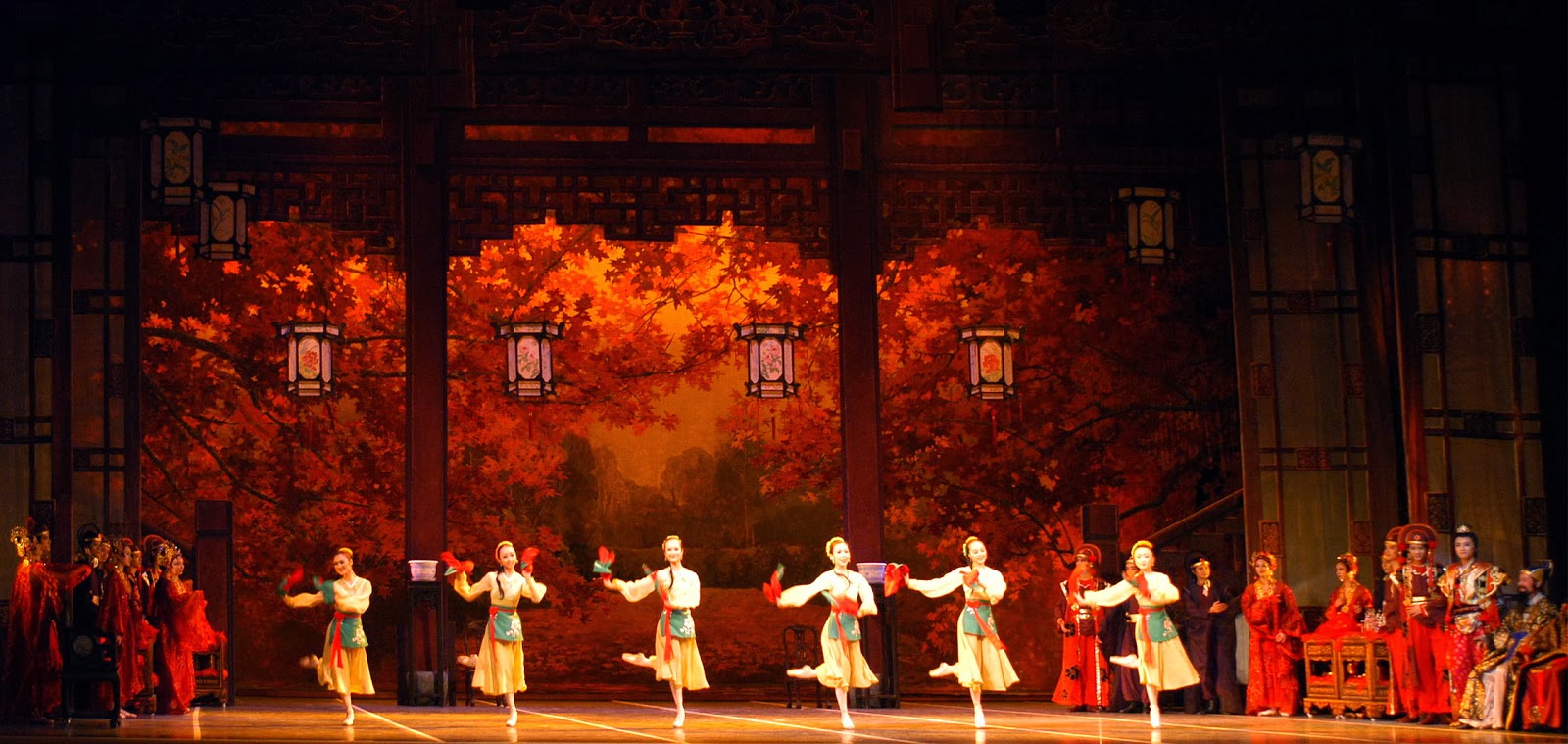
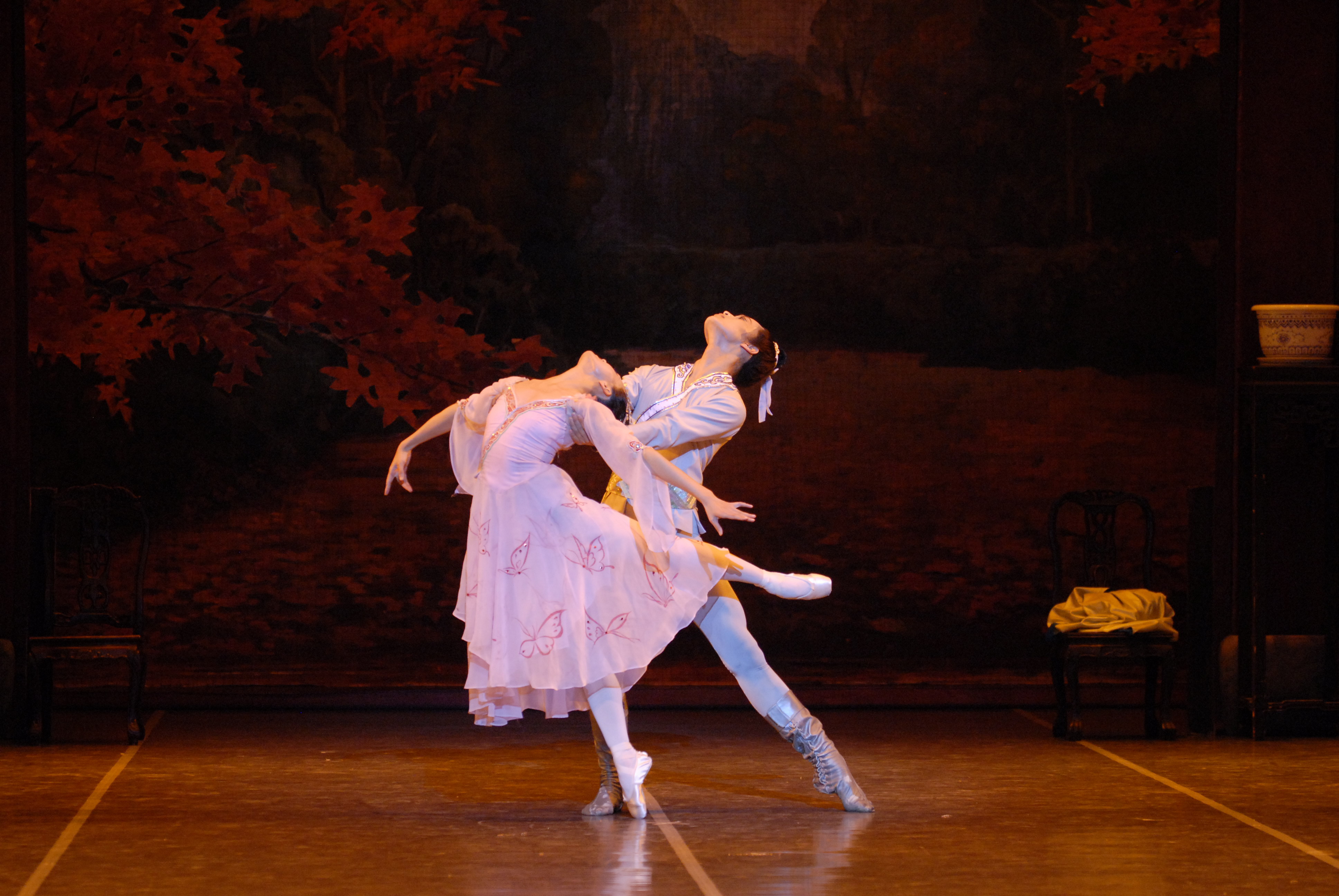
Taken from a Tang dynasty tale, "The Butterfly Lovers" dates to third or fourth century China. The legend recounts the story of a young woman who disguises herself as a boy so she can go to school. While there, she and a fellow student fall in love, but are thwarted, first by misperceptions and later by an arranged marriage and the young man's demise from a broken heart. As in all good tales of ill-fated love, even death cannot separate them, and the lovers are reunited as butterflies. Along with the Romantic Ballet "The Butterfly Lovers", A mix of classical and Romantic era ballets like "La Sylphide," "Raymonda" and "Swan Lake" are also popular in Shanghai.
The Butterfly Lovers ballet is meant to showcase Chinese command of classical Western technique while celebrating a traditional Chinese theme. This conventional tale of star-crossed lovers, with a cross-dressing twist, contains some spectacular and moving moments amid stretches of tedious, unremarkable choreographyThough orchestrated for Chinese and Western instruments, the score, with its unflagging 2/4 or 4/4 time signature, does not build any tension but hangs over the ballet like a heavy fog. (Ballet scores traditionally change up time signatures and dynamics, and make generous use of 3/4 or waltz time, which helps the dancers stretch their lines and achieve the desired buoyancy in jumps.) The Chinese ballet companies cultivate a uniform look among their dancers that - with the exception of Paris Opera Ballet, the Bolshoi and the Mariinsky - is no longer the standard for world-class companies, which increasingly prize individuality.
bottom of page