top of page

EAST ASIAN STUDIES
Culture Projects 2014
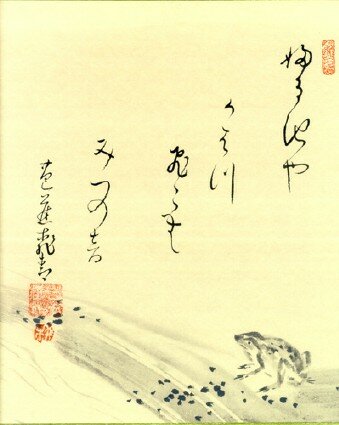
JAPANESE HAIKU FORM
A Haiku is essentially a poem composed of seventeen syllables. The practice is derived from haikai or hokku, the two opening lines (or upper verse) of comic linked verse, a form of literary entertainment that evolved from a form used extensively by Zen Buddhist monks during the 15th and 16th centuries. During the Tokugawa or Edo period, haiku achieved great popularity and success. The structure of haiku reflects the concepts of simplicity and meditation, but also balance in the meter. As in tea ceremonies, haiku form strives to emulate the aesthetic qualities of wabi and sabi, the sense of beauty in an asymmetrical balance. Over time, Haiku has become one of the most widely recognized and appreciated forms of Japanese poetry in the West. Indeed, the concise nature of haiku even influenced the early 20th-century Anglo-American poetic movement known as imagism.
Haiku is not simply regarded as an art form, but is perceived as a spiritual discipline. In its most masterful conception, haiku is a poem with the ability to capture a profound and balanced moment of insight, resolution and order. With this order comes a balancing of themes and imagery within the confines of the regimented structure. Essentially, Haiku is distinguished by its compression; it consists of three sole unrhymed lines of five, seven, and five syllables. Traditionally, a haiku captures an essential contrast or dichotomy; it presents a pair of images, one suggestive of time and place, and the other a fleeting observation. This works to evoke pathos in the reader from the sense of realized balance. Working together, they evoke mood and emotion. The poet does not comment on the connection but simply displays the synthesis for the analysis of the reader.

bottom of page