top of page

EAST ASIAN STUDIES
Culture Projects 2014
IKEBANA
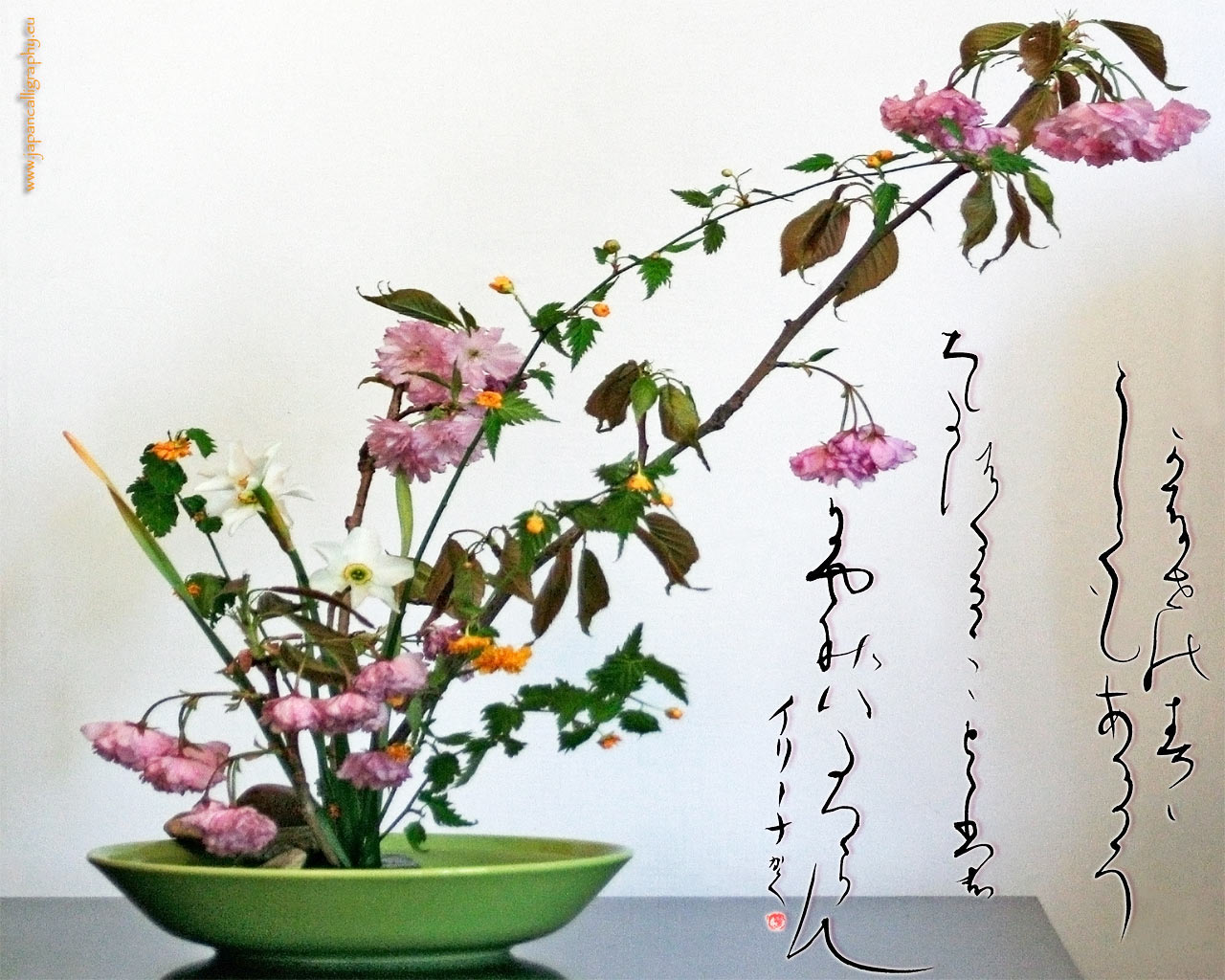
Ikebana is known as the complex Japanese art of flower arrangement. In detail, Ikebana describes the disciplined art form in which the arrangement is the catalyst for nature and humanity to be brought together. Thus, the discipline is closely shaped by the nature laden philosophies of Taoism and Shinto, which both detail a life of spiritualism and balance with nature. As with Japanese tea ceremonies and Haiku form, ikebana utilizes the concept of wabi sabi and asymmetrical and imperfect beauty within the confines of certain rules of construction to craft a final piece that invokes a sense of balance and peace. The art form stems from recognizing the beauty that can result from certain color combinations and natural shapes to form a balanced final product. Thus, the art form takes a holistic approach to the arrangement of the flowers; it analyzes the proper technique within the freeform creative spectrum.
Ikebana also focuses on the cyclical realization of nature; the flowers used vary from season to season. This also brings an element of balance and awareness to the art form. However, this affinity with nature that ikebana evokes permeates even the most urban life. Essentially, ikebana not only imbibes an extension of the outside world, but provides a link to nature even in the modern industrial world.

bottom of page