top of page

EAST ASIAN STUDIES
Culture Projects 2014
FENG SHUI INFLUENCE IN JAPAN
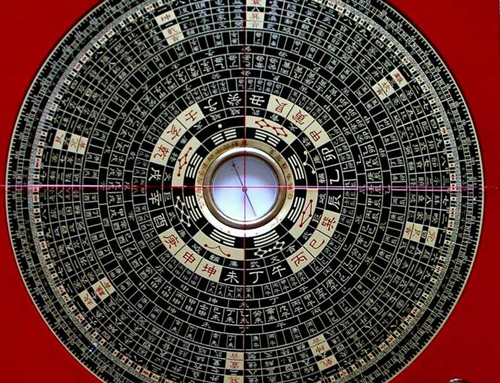
Feng shui, is essentially the practice of utilizing the laws of astronomy and geography to harness chi to improve quality of life. Thus, Feng Shui embodies the harmony, the synthesis, and the balance of mind and world to create a landscape of tranquility. Although widely employed in ancient china, the practice is found across a multitude of geographic locations, such as Japan, India, pre-colonial America and Ancient Egypt. In particular, the Japanese have adapted the practice and call the art of feng shui "kasoor inyodo."
The practice is not only used in the alignment of Shinto Shrines but also to guide construction and orientation. All Feng shui systems teach that there is an imperceptible yet constant relationship between all of the world's elements. Through the understanding of these natural forces, and how to strike a balance between the elements, one can improve their spiritual and physical condition. In Japan, the practice that was adapted focused heavily on the influence of nature and was conceived by observing the process of nature and noticing patterns and connections. Today, the practice of Feng Shui continues to evolve, influenced by western include elements of transcendentalism, Taoism and Tibetan Buddhism.

bottom of page